

Table of Contents
- Where to Buy Exclusive Comic Covers: The Short Answer
- What Makes Store-Exclusive Comic Covers Different
- Your Options for Retailer-Exclusive Comics
- How Comic Book Exclusive Preorders Work
- Limited-Edition Comic Covers: Foil, Virgin, and Metal Formats
- Comparing Total Costs Across Sellers
- Condition, Grading, and Safe Shipping
- How to Choose Variants by Your Collecting Goal
- Frequently Asked Questions
Last Updated: October 18, 2026
Where to Buy Exclusive Comic Covers: The Short Answer
If you are wondering where to buy exclusive comic book covers, the best sources are the publishing retailers that commission them, dedicated online comic shops with their own store variants, and established marketplaces where collectors resell authenticated books.
A store-exclusive comic cover is a variant edition printed only for one retailer, usually in a fixed, numbered run, so it cannot be bought anywhere else once that run sells through.
Below, we break down every channel, its total cost, and how to avoid fakes and damaged shipments.
What Makes Store-Exclusive Comic Covers Different
A store exclusive exists because a retailer pays the publisher to print a cover the publisher would never produce on its own.
That is the whole appeal and the whole risk. A popular cover artist on a 500-copy run can sell out in hours, and once you miss the window your only route is the resale market, often at a markup.
How to Spot a True Store Exclusive
Check three things before you pay a premium: the listing names the retailer and exact print quantity, the book carries a certificate of authenticity if sold as signed or limited, and the cover matches the retailer's official solicitation image, not a generic publisher cover.
A common mistake is buying a "limited" cover that is actually an open-order variant, which stays in print as long as demand lasts. True store exclusives have a hard, stated number, and reputable sellers will tell you what it is.
Your Options for Retailer-Exclusive Comics
Retailer-exclusive comics come from four main channels, each suiting a different kind of buyer. Compare them on what decides whether you get a clean copy at a fair total cost.
- Publisher-direct and convention exclusives: the publisher or a show commissions the cover. Best for collectors who attend events or watch announcements closely; availability is tied to the event window, and leftover stock often moves to the publisher's store or a convention partner.
- Dedicated online comic shops with their own store variants: these retailers commission covers directly, so they hold the entire print run and control condition from day one. Here you can usually confirm print quantity, get condition photos of the actual copy, and ask about packaging before you pay.
- Established marketplaces and auction sites: best for tracking down sold-out releases, but you are buying from a stranger. Listing quality varies wildly, and the same book can appear at three prices with three condition claims in the same week.
Our own shelves sit in that second category. We commission limited variants, including signed and certified editions, and hold the stock ourselves, so you buy from the retailer who ordered the print run rather than a reseller.
A Neutral Comparison Framework for Any Channel
Rather than rank sellers, compare every channel on the same six attributes.
| Attribute | What to Confirm | Why It Separates Sellers |
|---|---|---|
| Commissioning status | Is the seller the retailer who commissioned the cover, or a reseller? | The commissioning retailer controls the full run and can replace a damaged book; a reseller usually cannot. |
| Stated print quantity | Is the number published in the listing or solicitation? | A hard number is the difference between an exclusive and an open-order variant. |
| Condition evidence | Photos of the actual copy, including spine and corners? | Stock images hide handling damage that shows up on delivery. |
| Packaging standard | Bag and board, rigid protection, padded mailer or box? | On a sold-out run, one creased corner means the book is gone for good. |
| Total delivered cost | Cover price plus shipping, tax, and any payment fees? | A lower sticker price with per-book shipping can cost more on a multi-book order. |
| Return and dispute policy | Written policy for condition claims and a response window? | Protects you when the book arrives differently than described. |
How to Read a Listing Before You Commit
Most bad purchases happen because the buyer read the price and skipped the details. A legitimate exclusive listing includes the commissioning retailer's name, print quantity, cover artist, and format (standard, virgin, foil, or metal).
Experienced buyers save the solicitation image from the retailer's announcement and compare it to the listing photo. If the trade dress, logo placement, or barcode differs, you may be looking at a different printing or an open variant dressed up as an exclusive.
What to Check Before You Buy From Any Seller
Run every seller through the same two-minute checklist to prevent most bad outcomes.
- Does the listing state the print quantity and the commissioning retailer?
- Is a certificate of authenticity included for signed or limited books?
- Are condition notes specific, with photos of the actual copy?
How Comic Book Exclusive Preorders Work
Comic book exclusive preorders are orders placed before the print run closes, usually the only way to buy a limited cover at its original price. Publishers solicit issues months ahead, retailers open preorders, and final order numbers set the print quantity.
The practical rule: to get a limited-edition comic cover at face value, preorder it. Waiting for release day means competing with everyone who preordered plus everyone who discovered it late.
The Preorder Timeline, Step by Step
Most exclusive covers follow a predictable sequence, and knowing where you are on it tells you your leverage.
- Solicitation: the publisher announces the issue and the retailer announces its exclusive cover, often with the cover artist and a target print quantity. The listing first appears here.
- Preorder window: the retailer takes orders, sometimes with a deposit and sometimes paid in full. Early orders usually get the best price and first pick of condition.
- Final order cutoff: the retailer locks its order with the publisher. After this point, the print quantity is effectively fixed and the retailer cannot add copies.
- Release and fulfillment: books ship to the retailer, who then ships to buyers. Printer or distributor delays are common and not a sign of a bad seller.
- Sold-out and restock: if the run sells through, the only remaining supply is the secondary market. A restock usually means cancelled preorders or a small holdback, not a new printing.
Preorder Risks and How to Manage Them
Preorders carry risks: cutoffs can move, books can be delayed, and some retailers require payment up front. A good pull list solves most of this, a standing list with a trusted retailer holds your requested covers each month.
- Cutoff movement: publishers occasionally extend or shorten the window. If you are watching a specific cover, order before the announced cutoff rather than on the last day.
- Deposits and cancellations: ask whether a deposit is refundable and what happens if the book is delayed or the print run is reduced. Get the answer before you pay.
- Condition on arrival: preorders from the commissioning retailer are safest because the seller controlled the books from the printer onward; reseller preorders add a handling step you cannot see.
Building a Pull List That Catches Exclusives
A pull list is a standing request with a retailer to hold specified titles or covers each month, and it answers where to buy exclusive comic book covers before they sell out.
TEENAGE MUTANT NINJA TURTLES #6 VIRGIN VARIANT LTD 500 BY KEVIN DELGADO →
We build pull lists for our customers for exactly this reason. You tell us what you collect, and we flag the exclusives that fit before the order window shuts.
Limited-Edition Comic Covers: Foil, Virgin, and Metal Formats
Format matters as much as print quantity when judging value. Three formats dominate the exclusive market, each with different handling requirements.
A virgin cover carries the artwork with no trade dress, no title logo, publisher mark, or barcode, and collectors pay more because the art stands alone. A foil cover uses metallic stamping that catches light, striking on display but unforgiving of surface scratches. Metal covers are printed on a rigid metal substrate, heavier and stiffer than a standard book, and demand careful shipping because a bent metal cover cannot be pressed flat again.

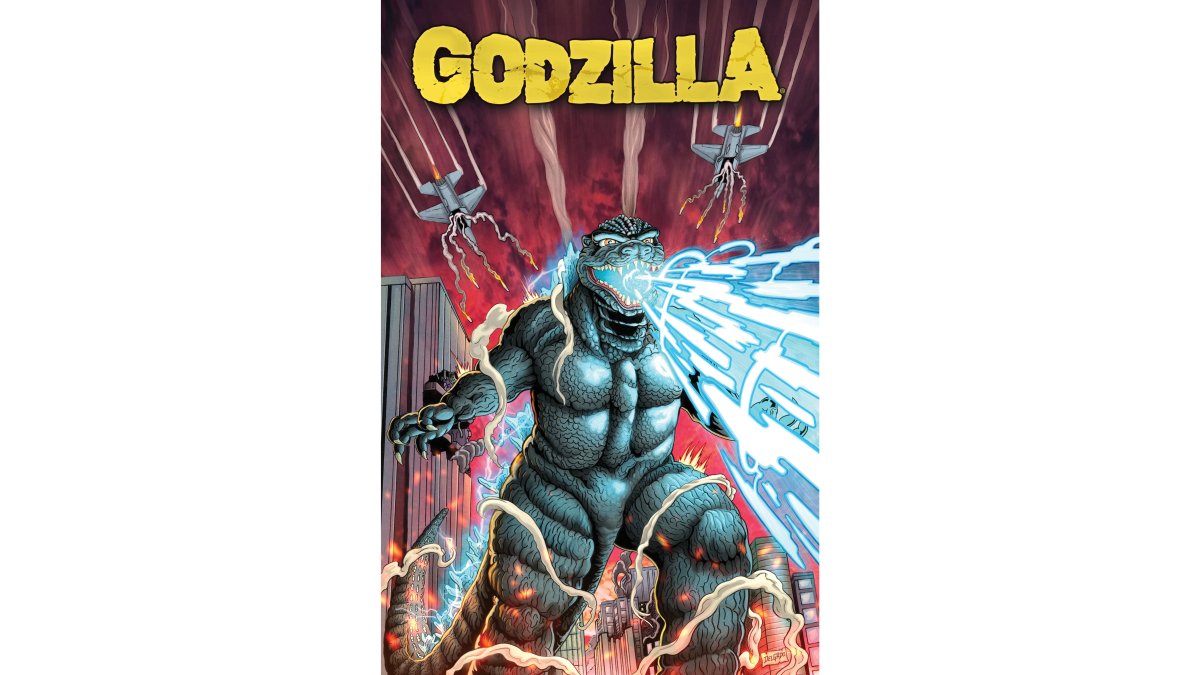
Our own limited runs show the range. The Teenage Mutant Ninja Turtles #6 virgin variant by Kevin Delgado is limited to 500 copies at $15.00. The Vampirella #1 signed virgin variant is limited to 500 with a certificate of authenticity at $25.00. A foil example is the Godzilla #1 70th Anniversary foil cover, also limited to 500 at $25.00.


Comparing Total Costs Across Sellers
The sticker price is not the total cost. Shipping, packaging quality, payment fees, and replacement risk all change what you actually pay.
| Cost Factor | What to Compare | Why It Matters |
|---|---|---|
| Cover price | Listed price per book | The starting number, not the final one |
| Shipping and handling | Flat rate vs. per-book | Per-book charges punish multi-book orders |
| Packaging standard | Rigid mailer, boards, bagging | Cheap packaging raises damage risk |
| Insurance and tracking | Included or extra | Sold-out books cannot be replaced |
| Return policy | Condition disputes covered? | Protects you when a book arrives creased |
| Resale friction | Fees and effort to resell | Affects your real exit cost |
A book that costs a few dollars less but ships in a flimsy envelope is not cheaper. One damaged corner on a limited run and you have lost the book entirely, because there is no replacement stock.
Condition, Grading, and Safe Shipping
Condition is where online buying goes wrong most often.
Professional grading adds certainty. CGC grading, witnessed signings, and authentication from services like PSA, Beckett, or JSA give an independent record of condition and signature authenticity.
Shipping deserves equal attention. Standard practice for collectible books is bag and board, then rigid protection, then a padded mailer or box.
We authenticate the collectibles we sell and stand behind the condition we describe.
How to Choose Variants by Your Collecting Goal
Your collecting goal should decide which covers you chase. Buying whatever looks exciting in the moment leaves collections unfocused and hard to resell.
- Personal favorites: buy the characters and artists you actually love. Value is secondary, and you will never regret the purchase.
- Completionists: prioritize print quantity and series continuity. A low-numbered run that completes a set holds together better than scattered singles.
- Investors: focus on graded copies, low print quantities, and named cover artists with a track record. Authentication and condition drive resale value more than hype.
Pick one goal and hold to it for a year. The strongest collections come from collectors who know exactly what they are hunting and why.
Frequently Asked Questions
How can I tell whether a comic cover is a store exclusive?
Check three things: the publisher's official variant announcement, the retailer's own listing page, and the print run stated on the cover or certificate. Store-exclusive comic covers are usually commissioned by one shop and printed in a fixed quantity, often 500 to 3,000 copies. The listing should name the retailer, the cover artist, and the print quantity. If a seller cannot confirm those details, treat it as a standard variant until proven otherwise. Ask for the original solicitation or a certificate of authenticity before you pay collector prices.
Should I preorder an exclusive comic variant or wait for release?
Preorder if the print run is small. Limited-edition comic covers with runs of 500 or fewer often sell out during the preorder window, and final order cutoffs can land weeks before the ship date. Waiting means paying resale prices, sometimes two or three times the original sale price. Preordering also locks in your copy at the listed price, which matters for foil and virgin formats. If the run is large and the title is popular, you can usually wait a week without risk.
How do I verify authenticity and grading before buying an exclusive cover?
Ask for the certification number and look it up in the grader's public database, such as CGC's verification tool. For signed books, confirm the signature was witnessed or comes with a recognized certificate from PSA, Beckett, or JSA. Request close-up photos of the spine, corners, and any stated defects. A reputable seller will provide these without hesitation. If a listing claims a 9.0 grade but shows creases or color breaks, walk away. Condition disputes are far easier to resolve before money changes hands.
What does shipping and packaging cost add to the total price?
Budget for shipping, insurance, and packaging on top of the cover price. Compare total landed cost across sellers rather than sticker price alone. A $25 book with $12 shipping costs more than a $30 book with free shipping. Ask whether the seller uses Gemini mailers or double-boxed slabs, since damaged arrivals are the most common complaint among collectors.
Exclusive covers sell out fast, and the difference between landing one and missing it usually comes down to who you buy from. Comics and Collectibles R Us has spent over 40 years sourcing authenticated variants, from limited foil and metal covers to signed editions with certificates of authenticity, backed by a team that will help you build a pull list around what you actually collect. Get a quote from Comics and Collectibles R Us and put that experience to work on your next hunt.